By Dr Joshua Elvin · · 4 min read
Hearing the words 'disc bulge' or 'herniated disc' can be scary, especially when it comes with an MRI report full of jargon. The good news is that most disc injuries improve without surgery, and understanding what's going on is the first step to getting back to normal.
What is a spinal disc?
Between each of the bones in your spine sits a disc: a tough, fibrous outer ring wrapped around a softer, gel-like centre. Discs act as spacers and shock absorbers, and they let your spine bend and twist. They're strong and firmly anchored, so despite the common phrase, a disc can't 'slip' out of place.
Bulge, protrusion, herniation: what's the difference?
- Disc bulge: the disc extends evenly beyond its normal border, a bit like a slightly flat tyre. Very common and often painless.
- Protrusion or herniation: some of the inner material pushes out through a weak spot in the outer ring, usually towards the back of the disc.
- Extrusion or sequestration: more of the inner material has pushed out, sometimes separating from the disc. These can look dramatic on a scan, yet they're among the types most likely to shrink over time.
When disc material irritates or presses on a nearby nerve root, it can cause pain, pins and needles or numbness down the leg (sciatica) or, in the neck, down the arm.
Why your scan might not tell the whole story
Disc changes show up on scans in plenty of people who have no pain at all. A large review of scans from people without back pain found disc bulges in about 30% of 20-year-olds, rising to more than 80% of people in their 80s. Often these changes are a normal part of ageing, like grey hair on the inside.
That's why your symptoms and examination matter more than the scan alone, and why guidelines advise against routine imaging for low back pain unless there are warning signs or you're not improving.
Will a disc injury get better?
For most people, yes. Back and leg pain from a disc injury commonly improves a lot over 6 to 12 weeks. Research also shows that herniated disc material often shrinks or is reabsorbed by the body over time.
Surgery is usually reserved for people with severe or worsening nerve symptoms, or those who haven't improved after a good trial of conservative care.
Red flags: when to seek urgent care
Rarely, a disc can compress the bundle of nerves at the base of the spine (cauda equina syndrome). This is a medical emergency. Go to an emergency department straight away if you have back or leg pain with:
- Numbness around your groin, buttocks or inner thighs ('saddle' numbness)
- New difficulty passing urine, or loss of bladder or bowel control
- Weakness in one or both legs that's getting worse
- New sexual dysfunction alongside the back pain
Also see a doctor promptly if you have back pain with fever, unexplained weight loss, a history of cancer, or after a significant fall or accident.
How disc injuries are managed
Conservative care is the first-line approach for most disc injuries. That usually means:
- Understanding the problem, so you can move with confidence rather than fear
- Staying as active as you comfortably can (bed rest isn't recommended)
- Finding positions and movements that ease your symptoms
- A progressive exercise program to rebuild strength and tolerance
- Manual therapy to help with pain and movement
- Medication advice from your GP or pharmacist where needed
How a chiropractor can help with a disc injury
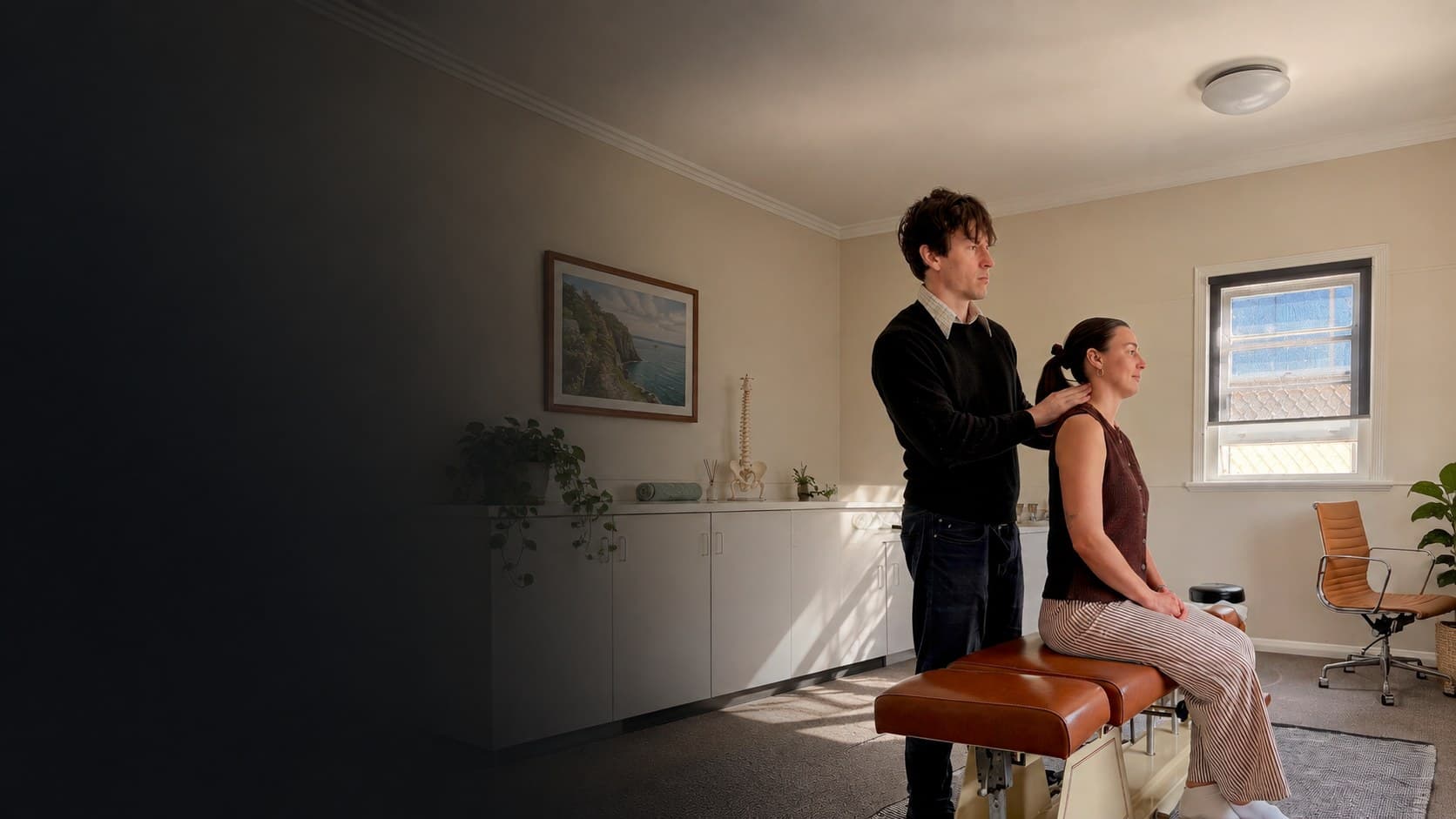
Dr Joshua Elvin starts with a detailed history and a full examination, including a neurological screen of your reflexes, strength and sensation. That helps work out whether a disc is likely involved and whether a nerve is irritated. If anything suggests you need imaging or a medical opinion, you'll be referred.
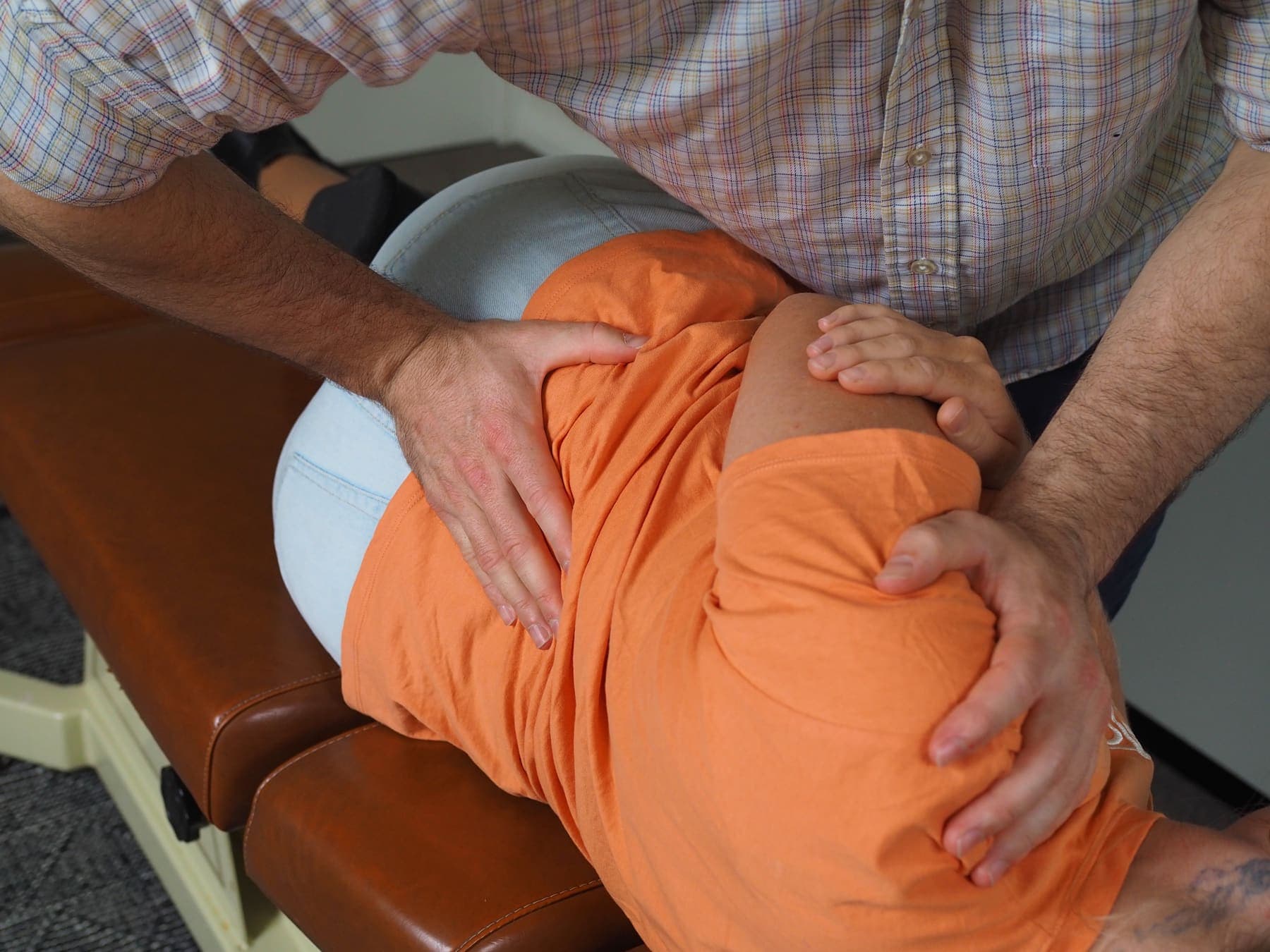
From there, care is tailored to you: gentle mobilisation and soft-tissue work, spinal manipulation where it's appropriate and you're comfortable with it, and a clear plan of exercises and activity to get you back to work, sport and life. We keep your GP in the loop where needed. Learn more on our disc bulge page.

Chiropractor at Elvin Chiropractic, Mount Hutton. Bachelor of Chiropractic Science / Master of Chiropractic, Macquarie University.
This article is general information only and isn't a substitute for advice about your own health. If you're unsure about your symptoms, see your GP or book an assessment.