
By Dr Joshua Elvin · · 3 min read
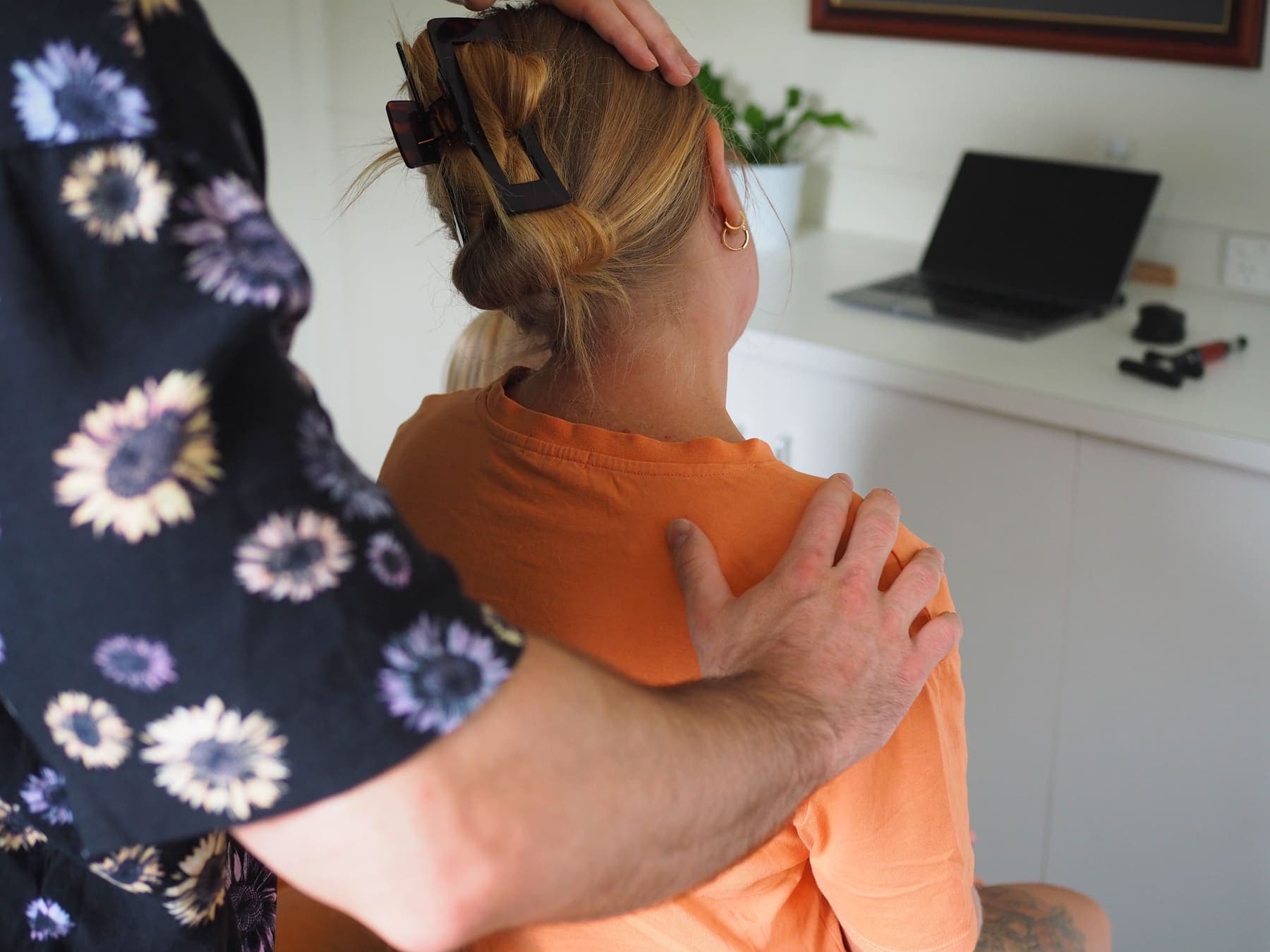
If your shoulder has slowly become more painful, and then so stiff you can't reach behind your back, do up a bra or get to the top shelf, you may have a frozen shoulder. It's a frustrating condition, but it does improve, and there's a lot you can do to manage the pain and get your movement back.
What is frozen shoulder?
Frozen shoulder, also called adhesive capsulitis, happens when the capsule of connective tissue around the shoulder joint becomes inflamed, then thickened and tight. As it tightens, the shoulder loses movement in every direction, especially turning the arm outwards.
The exact cause isn't fully understood. It often comes on without any obvious injury, although it can follow a minor strain or a period of keeping the arm still, for example after surgery or a fracture.
Who gets frozen shoulder?
- People aged roughly 40 to 60
- Women more often than men
- People with diabetes, who are at noticeably higher risk and can take longer to recover
- People with thyroid conditions
- Anyone who has had their arm immobilised for a while
Having frozen shoulder on one side also raises the chance of it developing in the other shoulder later.
The three stages of frozen shoulder
Frozen shoulder is usually described in three phases. They overlap, and everyone's timeline is different:
- Freezing (painful) stage: pain builds gradually and is often worse at night, while movement starts to reduce. This can last from a few weeks to several months.
- Frozen (stiff) stage: pain often eases, but the shoulder is very stiff. This can last several months.
- Thawing stage: movement slowly returns, over months to a couple of years.
Overall, frozen shoulder commonly takes one to three years to resolve. Most people regain good, functional movement, although some are left with a little stiffness that rarely affects daily life.
Is it frozen shoulder or something else?
Several shoulder problems can feel similar, including rotator cuff injuries, shoulder arthritis, calcific tendinopathy and pain referred from the neck. A key sign of frozen shoulder is that the shoulder is stiff even when someone else moves it for you, especially turning it outwards. An X-ray is sometimes used to rule out arthritis or other causes. Getting the diagnosis right matters, because the treatment is different.
What helps frozen shoulder
Because frozen shoulder improves over time, the aim of treatment is to control pain, keep as much movement as possible and get you through the stages more comfortably. Options include:
- Education and reassurance, because knowing what to expect makes the long timeline easier to manage
- Gentle range-of-movement exercises, kept within tolerable pain in the painful stage and progressed as the shoulder settles
- Manual therapy, such as joint mobilisation and soft-tissue work, alongside exercise
- Pain relief advice from your GP or pharmacist, including help with sleep
- Corticosteroid injections, arranged through your GP, which can reduce pain in the short term, particularly in the early painful stage
- Hydrodilatation (injecting fluid to stretch the capsule) or, rarely, surgery for people who aren't improving
Forcing a frozen shoulder through a lot of pain doesn't speed things up and can flare it. Matching your exercises to the stage you're in is the key.
How a chiropractor can help with frozen shoulder
Dr Joshua Elvin will assess your shoulder, neck and upper back to confirm what's driving your symptoms and rule out other causes. If frozen shoulder is likely, your plan may include gentle mobilisation of the shoulder, treatment for the neck, upper back and shoulder-blade muscles that often tighten up to compensate, and a home exercise program suited to your stage.
We work alongside your GP, so if an injection or a specialist opinion would help, you'll be referred at the right time. Find out more on our shoulder pain page.

Chiropractor at Elvin Chiropractic, Mount Hutton. Bachelor of Chiropractic Science / Master of Chiropractic, Macquarie University.
This article is general information only and isn't a substitute for advice about your own health. If you're unsure about your symptoms, see your GP or book an assessment.