
By Dr Joshua Elvin · · 4 min read
Even a low-speed bump in a car park can leave your neck sore and stiff the next morning. Whiplash is one of the most common injuries after a car accident. It can be painful and worrying, but most people recover well with the right advice and a gradual return to normal movement.
Here's what whiplash is, what's normal in the days after an accident, the warning signs that need medical attention, and how chiropractic care fits into recovery.
What is whiplash?
Whiplash describes an injury caused by the head and neck being thrown rapidly forwards and backwards (or side to side), most often in a rear-end collision. That sudden movement can strain the muscles, ligaments and joints of the neck. Clinicians often use the term whiplash-associated disorders, because the injury can cause a range of symptoms beyond neck pain.
It doesn't take a big crash. Symptoms don't always match the damage to the car, and people who walk away from an accident feeling fine can still develop pain over the following day or two.
Common whiplash symptoms
- Neck pain and stiffness, often worse the day after the accident
- Reduced movement when turning or tilting your head
- Headaches, usually starting at the base of the skull
- Pain spreading into the shoulders, upper back or arms
- Muscle tightness and tenderness
- Fatigue, poor sleep, dizziness or trouble concentrating for some people
Feeling sore, stiff and a bit worried in the first few days is common. It doesn't mean something is badly damaged.
When to get urgent medical care
Serious injuries need to be ruled out before any hands-on treatment. Go to an emergency department or call 000 if, after an accident, you have:
- Severe neck pain, especially directly over the spine
- Numbness, tingling or weakness in your arms or legs
- A severe or worsening headache, confusion, or you were knocked out
- Difficulty swallowing, speaking or walking
- Loss of bladder or bowel control
If you were assessed at hospital, bring any scan results or discharge notes to your first appointment.
How long does whiplash take to heal?
Recovery varies, but most people improve significantly over the first few weeks, and many are back to normal within around three months. A smaller group have symptoms that last longer. High pain levels early on, a lot of worry about the injury and avoiding movement are all linked with slower recovery, which is why good early advice matters.
Australian guidelines for managing acute whiplash encourage staying active, getting back to your usual activities as soon as you can, and doing gentle neck exercises. Prolonged rest and soft neck collars are generally not recommended, because they can slow recovery.
What you can do in the first few days
- Keep moving gently within comfort. Turn your head and look over each shoulder a few times through the day.
- Keep up work and normal activities where you can, easing off the heavier tasks for a while.
- Use heat or ice, whichever feels better, for short periods.
- Ask your GP or pharmacist about pain relief if you need it.
- Avoid a neck collar unless a doctor has specifically told you to wear one.
How a chiropractor can help with whiplash
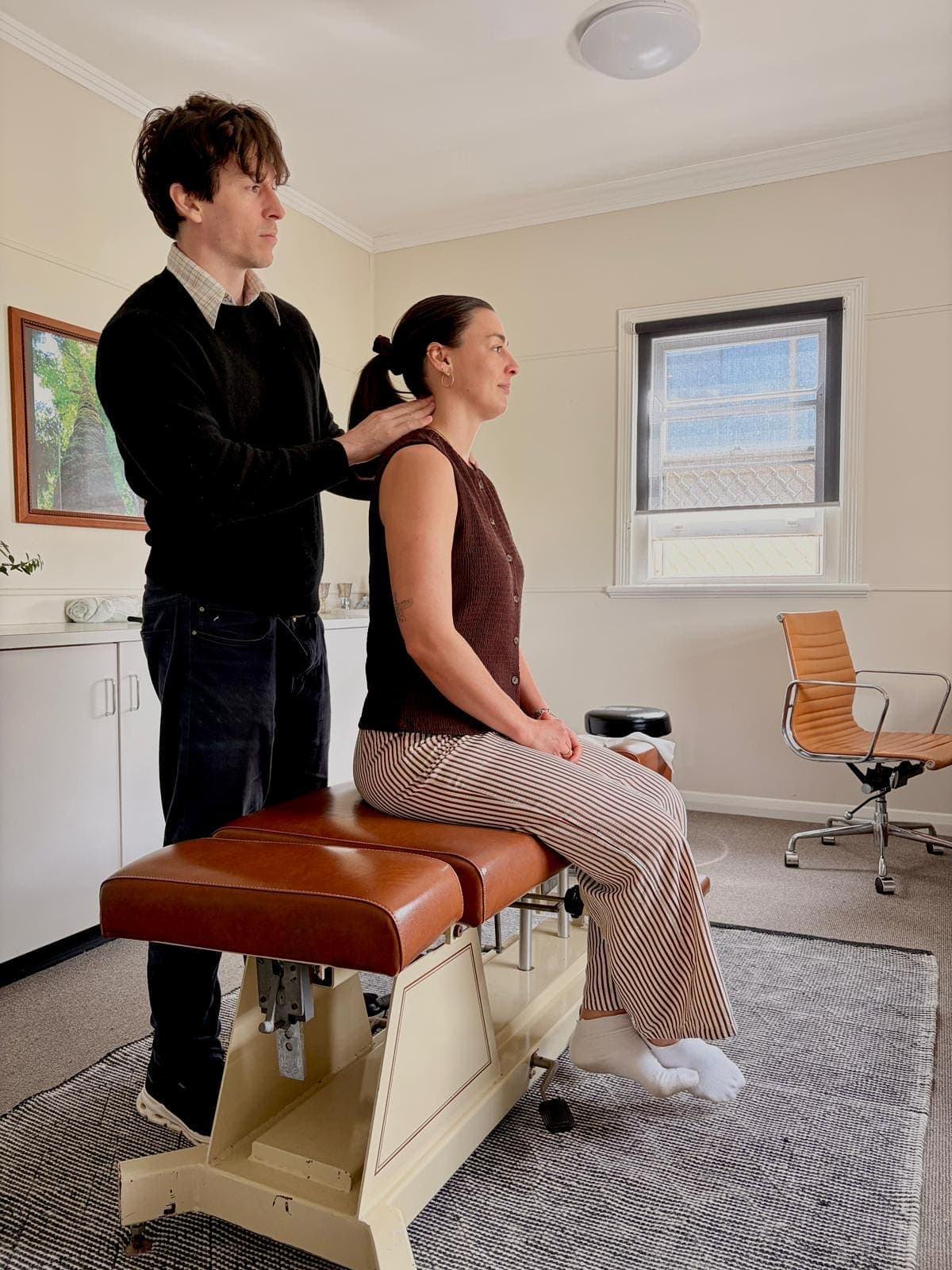
At our Mount Hutton clinic, Dr Joshua Elvin starts with a thorough history of the accident and a careful examination of your neck, upper back and nervous system. That includes screening for anything that needs medical review or imaging first.
Treatment is matched to how irritable your injury is:
- Gentle, low-force techniques and soft-tissue therapy in the early, sore phase
- Joint mobilisation, and manipulation where appropriate, as symptoms settle
- A graded exercise program to restore movement, strength and confidence
- Clear advice on work, driving, sleep and getting back to sport
If you're not progressing as expected, we'll work with your GP and refer you on. You can read more about our approach on our whiplash and car accident injuries page.
Whiplash and CTP claims in NSW
In NSW, people injured in a motor vehicle accident can claim through the CTP (compulsory third party) scheme, which can cover reasonable treatment costs. Lodging your claim early helps, so start the process soon after the accident. The State Insurance Regulatory Authority (SIRA) explains how to make a claim.
We can provide treatment within an approved CTP claim. Bring your claim number and insurer details to your appointment, and check with your insurer about approval for ongoing treatment.

Chiropractor at Elvin Chiropractic, Mount Hutton. Bachelor of Chiropractic Science / Master of Chiropractic, Macquarie University.
This article is general information only and isn't a substitute for advice about your own health. If you're unsure about your symptoms, see your GP or book an assessment.