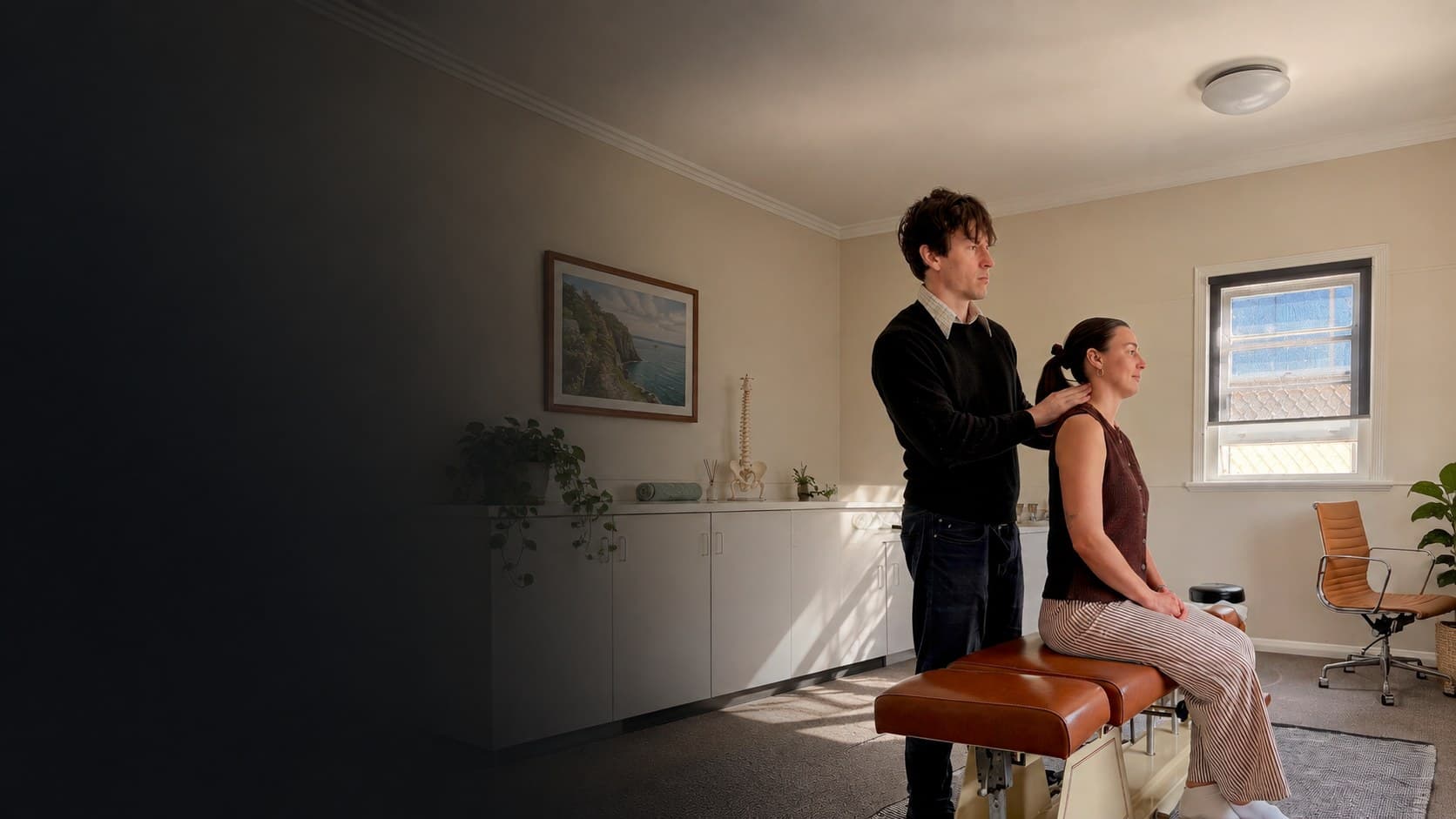
By Dr Joshua Elvin · · 4 min read
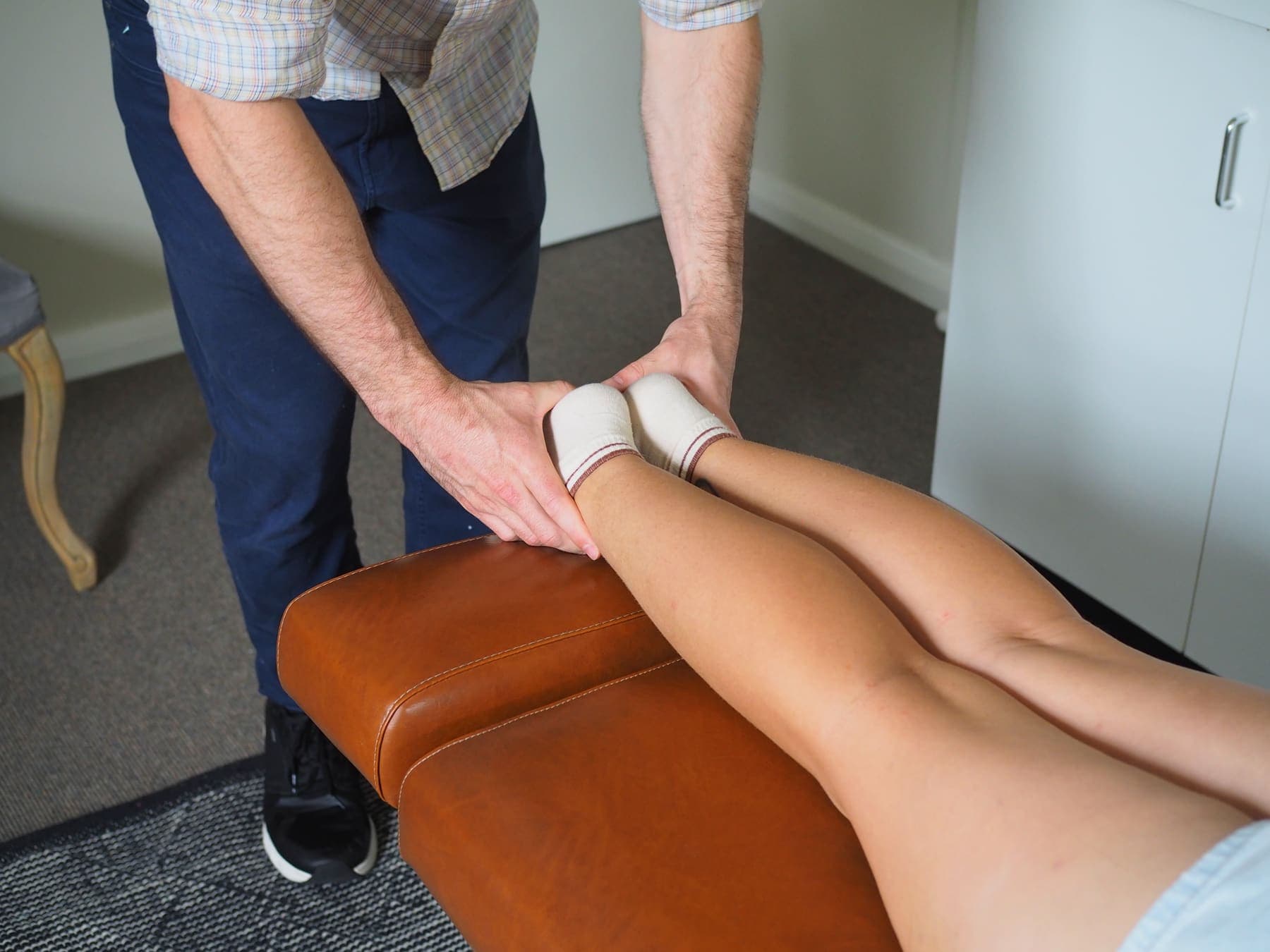
Sciatica has a way of attracting advice. A friend swears by bed rest, a forum says you need an MRI, someone at work had surgery and tells you not to bother with anything else. When your leg is burning and you can't sit through a meeting, it's hard to know who to believe.
Here are six of the myths we hear most often at our Mount Hutton clinic, and what the research actually says.
First, what is sciatica?
Sciatica is pain that travels from the lower back or buttock down the leg, usually below the knee, because a nerve root in the lower back is irritated. It often comes with pins and needles, numbness or a burning feeling, and the leg commonly hurts more than the back. The most frequent cause is a disc bulge or herniation, but narrowing around the nerves (stenosis) and other causes are possible too.
Myth 1: "Rest in bed until it settles"
Bed rest is one of the most persistent pieces of back pain advice, and one of the least helpful. Guidelines such as the UK's NICE guideline on low back pain and sciatica recommend staying active and continuing normal activities as much as you can. Lying down for a short while to ease a bad spell is fine. Days in bed tends to leave people stiffer, weaker and more worried about moving.
What helps instead: short, regular walks, changing position often, and finding the positions that take the edge off your leg pain.
Myth 2: "You need an MRI to know what's wrong"
Sciatica can usually be diagnosed from your history and a careful examination of your nerves: strength, reflexes and sensation in the legs. Scans also pick up disc bulges in plenty of people who have no pain at all, so a report can sound alarming without explaining your symptoms.
Imaging becomes important when there are warning signs, significant or worsening weakness, or when you're not improving and an injection or surgery is being considered. If you need one, we'll tell you why and arrange a referral. Read more in our disc bulge article.
Myth 3: "It's a pinched nerve, so it needs to be put back"
Nothing has slipped out of place, and nothing needs to be 'put back in'. Sciatica is usually a mix of pressure and chemical irritation around the nerve root, which is why it can flare and settle from day to day. Irritated nerves are sensitive, so gentle, well-chosen care beats anything forceful.
Myth 4: "If it hurts, you're doing damage"
Nerve pain can be intense without anything getting worse underneath. A useful rule of thumb: if a movement or exercise increases your leg pain while you do it but it settles back to normal soon afterwards, it's usually OK. If your symptoms spread further down the leg, or stay worse for hours afterwards, ease off and try a different position.
One exception: new or rapidly worsening weakness, or numbness around the groin, always needs prompt medical attention. See the red flags below.
Myth 5: "Sciatica never really goes away"
For most people it does. The NHS notes that sciatica usually gets better in 4 to 6 weeks, though it can last longer. Leg pain often eases before any lingering numbness or tingling, and herniated disc material frequently shrinks over time as the body reabsorbs it.
A smaller group of people have symptoms that hang around for months. That's when a structured plan, and keeping your GP involved, matters most.
Myth 6: "Surgery is the only real fix"
Surgery has a clear place: for severe or progressive nerve weakness, for the emergency cauda equina syndrome, and for people whose pain stays severe despite a good trial of conservative care. For everyone else, guidelines recommend starting with conservative care, because most people improve without an operation.
If surgery is being discussed, a surgeon's opinion is worth getting, and we'll help you get there with your GP.
Red flags: when to seek urgent care
Go to an emergency department straight away if sciatica comes with:
- Numbness around your groin, buttocks or inner thighs ('saddle' numbness)
- New difficulty passing urine, or loss of bladder or bowel control
- Weakness in one or both legs that's getting worse
- Sciatica in both legs at once
See your GP promptly if you also have fever, unexplained weight loss, a history of cancer, or the pain started after a significant fall or accident.
How a chiropractor can help with sciatica
Dr Joshua Elvin starts with a full history and examination, including a neurological screen, to work out where your symptoms are coming from and whether anything needs medical review first. Care is then matched to how irritable your nerve is:
- Gentle, low-force techniques and soft-tissue work while the leg pain is high
- Joint mobilisation, and manipulation where appropriate, as things settle
- Positions and movements that ease your symptoms, so you can sleep, sit and work
- A progressive exercise plan to rebuild strength and confidence
Learn more on our sciatica page, or book an appointment at our Mount Hutton clinic.

Chiropractor at Elvin Chiropractic, Mount Hutton. Bachelor of Chiropractic Science / Master of Chiropractic, Macquarie University.
This article is general information only and isn't a substitute for advice about your own health. If you're unsure about your symptoms, see your GP or book an assessment.